Terima kasih atas kesabaran Anda dan kami benar-benar memohon maaf atas ketidaknyamanan yang terjadi. Kami sedang berupaya untuk membuka kembali layanan kami dan berharap dapat melayani pelanggan kami sesegera mungkin.
Pelajari SelengkapnyaDiet vegan berakar sejak lebih dari 2.000 tahun yang lalu di Yunani kuno dan India kuno. Veganisme modern dimulai pada tahun 1944 dengan didirikannya The Vegan Society yang menciptakan istilah "vegan" untuk menggantikan istilah "vegartian non-susu" dan "vegetarian ketat" yang sebelumnya digunakan.
Vegetarian menghindari semua daging, ikan, dan unggas, tetapi dapat mengonsumsi produk hewani seperti telur dan susu. Vegan adalah vegetarian yang menghindari makanan apa pun yang berasal dari hewan atau produk sampingan hewan. Produk-produk ini termasuk telur, semua produk susu, dan madu. Meskipun veganisme umumnya dikaitkan dengan pola makan, veganisme juga merupakan gaya hidup dengan prinsip-prinsip yang meluas ke pilihan pembelian sehari-hari. Beberapa vegan mungkin menghindari pakaian yang terbuat dari kulit, bulu sutra, dan wol, atau kosmetik atau sabun apa pun yang terbuat dari produk hewan.
Veganisme adalah pilihan pribadi, dan ada banyak alasan mengapa seseorang memutuskan untuk menjadi vegan. Beberapa orang beralih ke veganisme karena manfaat kesehatan dan kebugarannya, yang lain mungkin memilih pola makan vegan karena alasan etika atau lingkungan. Misalnya, beberapa vegan memilih untuk menghindari telur dan produk susu karena menentang perlakuan buruk terhadap hewan dan standar tenaga kerja yang buruk di peternakan. Sebagian lainnya mungkin menjadi vegan untuk menghindari menambah jejak karbon industri daging yang sangat besar. Apa pun alasannya, sebagian besar vegan memilih veganisme sebagai cara untuk berkontribusi menciptakan dunia yang lebih peduli dan manusiawi.
Meskipun pada awalnya terlihat membatasi, veganisme menawarkan berbagai pilihan dan fleksibilitas. Selain itu, meskipun sering dikaitkan dengan kekurangan berat badan atau selalu merasa lapar, veganisme tidak secara otomatis sama dengan rendah karbohidrat atau rendah lemak. Ingat, diet vegan adalah tentang mengurangi daging dan produk hewani, bukan menghilangkan semua makronutrien. Vegan bisa mendapatkan protein dari pola makan yang kaya akan buah-buahan, sayuran, kacang-kacangan, tahu, seitan, tempe, dan makanan pengganti daging lain yang sama lezatnya dengan daging asli!
Jika Anda tertarik untuk mengikuti diet vegan dan gaya hidup vegan, iHerb menawarkan banyak pilihan produk bahan makanan vegan, suplemen vegan, produk kecantikan vegan berkualitas, termasuk minyak argan dan perawatan bibir, dan produk perawatan kulit vegan seperti penggosok wajah, krim pelembab, dan permbersih kulit bebas sabun.
A well-planned vegan diet can provide a powerhouse of beneficial plant compounds and nutrients that can contribute to your overall health. Check out some of the health benefits of going vegan below.
Weight loss: The most prominent benefit associated with the vegan diet is weight loss. Numerous studies show that vegans tend to have lower body mass indexes and body weights than non-vegans. Vegan diets tend to reduce your caloric intake without you needing to actively focus on cutting your calories, which ultimately promotes weight loss.
Nutrients: Relying on more plant-based foods also invariably means a higher intake of certain vitamins, minerals, and nutrients. Several studies report that vegan diets offer more fiber and antioxidants than the traditional Western diet. Vegan diets are also richer in vitamins including folate, potassium, magnesium, vitamin A, vitamin C, and vitamin E.
Diabetes: Studies show that vegans tend to have lower blood sugar levels and higher sensitivity to insulin, both of which can help to lower your risk of developing type-2 diabetes.
Heart health: Eating more fruit, vegetables, and beans has been connected to a reduced risk of heart disease. Coincidentally, those foods are some of the primary components of a vegan diet. Other studies show that vegan diets can help to regulate blood sugar, LDL cholesterol (the “bad” cholesterol that collects in the walls of your blood vessels, potentially causing blockages), and total cholesterol levels compared to other diets, while lowering the risk of high blood pressure.
Appreciation for food: Many vegans anecdotally say they notice a difference in how they experience food, reporting a heightened sense of taste. Science shows this isn’t just vegan imagination. Removing junk food and animal products high in fat, salt, and sugar, even for only a few weeks, actually modulates your taste buds and their sensitivity to fats. This can bring whole new dimensions to the foods you eat and give way to a deeper appreciation for diverse flavors.

Although it may seem restrictive, the vegan diet offers plenty of options for every meal. Thanks to new improvements in food products, it’s easier than ever to find food substitutes that are vegan-friendly.
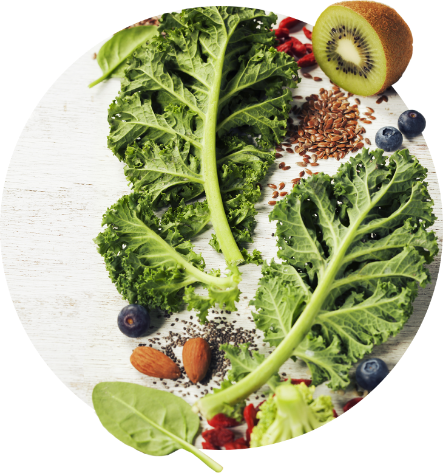
The key to a vegan diet is avoiding any animal products and by-products. Otherwise, the world is your (vegan) oyster! Vegan foods include:
The main thing to keep in mind when eating vegan is proper planning. Going headlong into a vegan diet will not only leave you unsatisfied with every meal, but may also lead to some health problems. Plant-based foods are packed with nutrients but can be lacking in certain essential vitamins and minerals. Without a plan, people are often left eating the same few meals, which can potentially result in nutrient deficiencies. Creating a meal plan keeps you on track and allows you to take advantage of the full spectrum of foods and flavors in the world. This inevitably means cooking for yourself more often, which can be plenty of fun in and of itself.
It’s also important to eat from a diverse range of foods, which will keep you satisfied while ensuring that you get all your essential vitamins, minerals, and nutrients throughout your day. Diets of any kind can be hard when you think of them as a form of subtraction. True, you can’t have a steak or a beef patty, but filling your fridge and pantry with tofu, spinach, potatoes, apples, berries, tomatoes, and beans means you have so many more food choices.

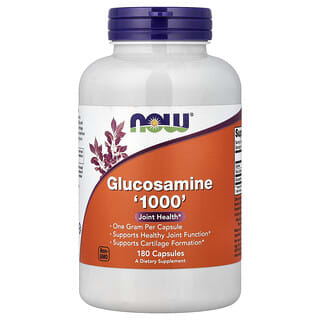
iHerb makes it easy to plan your meals and reach for vegan supplements when you need a boost in your vegan diet.
The main foods that vegans can't eat include:
That last one is often the hardest to spot as lard, butter, and fish oil often sneak their way into foods that may appear vegan, particularly baked goods. Even beverages that seem like they shouldn’t have any animal products can be deceptive. Take wine, for example. Although grapes are still the predominant ingredient, some winemakers use gelatin, egg whites, and milk proteins in their wine to break down tannins and create a smoother texture and taste. Some winemakers also use isinglass, a type of fish bladder also used to make Guinness beer, to filter out particulates.
Other sneaky foods you should keep an eye out for include:
Checking labels is the best way to make sure your foods don’t contain any animal products. Most labels will mention the use of eggs, milk, and other allergens. Be aware of certain terms, including whey, lactose, casein, castoreum, and rennet, which refer to thickening agents, proteins, preservatives, and other additives that come from animals. When you go out to eat, don’t be afraid to ask ahead if the restaurant has vegan options or if they can make modifications or substitutions to accommodate your diet.
Whether you’re feeling slightly puckish or whetting your appetite before a meal, snacks can keep you fulfilled and give you energy throughout your day. Keeping some vegan-friendly snacks on your person will give you something to munch on if you’re out and about with few other options. Above highlights a few of our favorites healthy vegan snacks.
Essential vitamins refer to those vitamins that your body cannot make on its own – meaning you can only get them from dietary sources. It’s true that vegan diets offer a wide range of nutrients thanks to high fruit and veggie intake, but they can lack certain vitamins and minerals, especially if you’re not taking in a diverse diet. The most common nutrients that vegans tend to miss out on include:
Vitamin B12: Naturally found in animal products (meat, dairy, and eggs), vitamin B12 plays an important role in protein metabolism, red blood cell synthesis, and nervous system health.
Long-chain omega-3 fatty acids: ALA is an omega-3 fatty acid easily found in walnuts, flax seeds, and soybeans. However, you also need DHA and EPA, which are known as long-chain omega-3 fatty acids, to maintain general health and reduce inflammation. These are mostly found in fatty fish and seafood (non vegan).
Iodine: Iodine maintains a healthy thyroid, which regulates your metabolism. Iodine is most easily found in dairy products and anything grown in proximity to the ocean. If you are not regularly eating seaweed, you’re missing out on iodine.
Calcium: The mineral that helps your bone grow and stay strong is most popularly found in milk and dairy products. Although it is also readily found in certain plants, including kale, broccoli, and bok choy, most experts agree that vegans tend not to get enough calcium.
Zinc: Necessary to immune functions, metabolism, and cell repair, zinc is generally not common in plant foods. Your body also has trouble absorbing zinc from plant foods thanks to phytic acid.
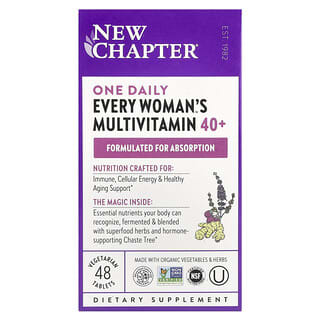
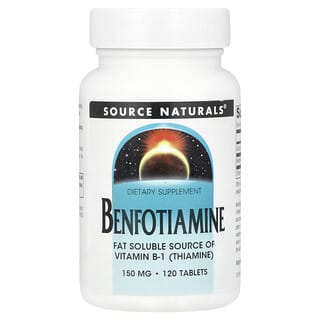
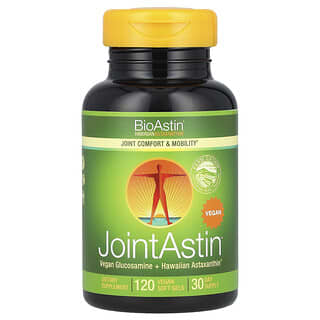
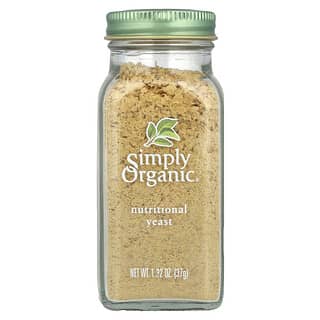
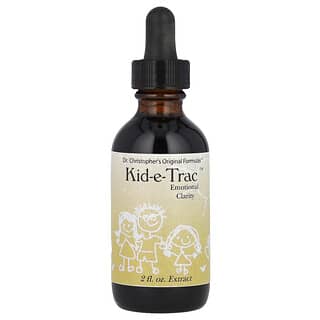
Even the most discerning vegans could use a helping hand in the form of supplements. These can provide you with the nutrients you might be missing out on without interfering with your diet. iHerb has multivitamins and supplements for individual nutrients when your diet just isn’t enough. Some of our favorites include Solumeve, Hair Skin and Nails, Gummiology, Multivitamin gummies and YumEarth Organic Vitamin C Pops.
Pertanyaan Umum
Mulai Agustus 2018, iHerb menggunakan Pengujian ABC Lab Independen Pihak Ke-3, Eurofins, dan Alkemist untuk menguji produk. Penggunaan Lab Independen Pihak Ke-3 menjamin bahwa hasilnya objektif dan tidak bias.
iTested memastikan bahwa informasi yang diberikan pada Panel Keterangan Suplemen produk dan/atau Panel Keterangan Nutrisi adalah benar. Produk juga diuji untuk memastikan sudah memenuhi Standar Clean Label (bebas bahan berbahaya), seperti Analisis Mikroba dan Analisis Logam Berat.
Metode pengujian dirujuk pada setiap dokumen produk yang diuji dengan iTested.
Produk akan diuji setiap 6 bulan.